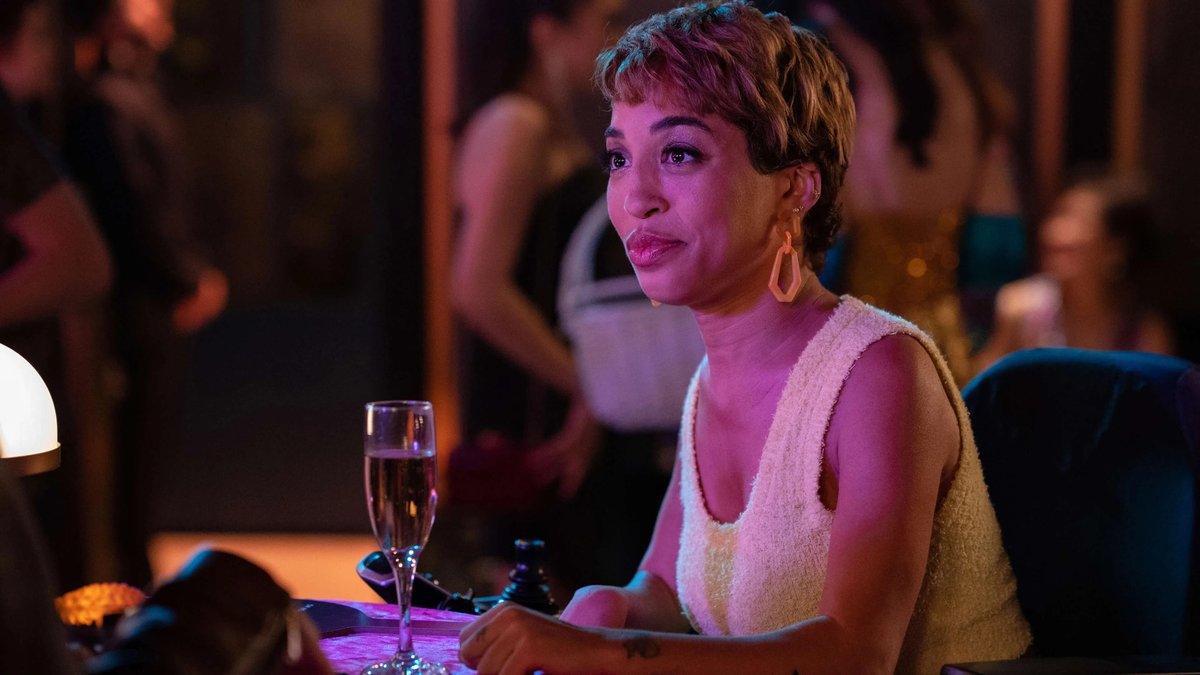
Cast & Characters of The L Word: Generation Q: Actors and Their Enduring Legacies
More than a decade after the original series broke ground, The L Word: Generation Q invited us back into the intricate, passionate, and often messy lives of a diverse group of queer characters. This wasn't just a nostalgic reunion; it was a vibrant expansion, bringing beloved icons face-to-face with a dynamic new generation in Silver Lake, Los Angeles. For fans old and new, understanding the Cast & Characters of The L Word: Generation Q is key to appreciating its ambitious narrative and complex emotional landscape.
This guide delves into the actors who breathed life into these pivotal roles and the journeys their characters undertook. From returning legends to fresh faces, we’ll explore their impact on the series, their evolution, and the lasting legacy of a show that aimed to reflect the ever-changing queer community.
At a Glance: Generation Q's Core
- A Bridge Between Eras: Generation Q successfully blended the iconic original cast (Bette, Shane, Alice) with a fresh, diverse ensemble, offering both continuity and new perspectives.
- Complex Character Arcs: Each character navigated intricate personal and professional challenges, exploring themes of identity, love, career, and community across three seasons.
- Diverse Representation: The series aimed for broader representation, notably featuring transgender characters (Micah) and exploring diverse racial and ethnic backgrounds within the queer community.
- Mixed Reception, Undeniable Impact: While critical and fan reception varied, especially in later seasons, the show remained a significant cultural touchstone for LGBTQ+ representation.
- A Legacy Continues: Despite its cancellation, Generation Q's impact on queer storytelling and its dedicated fanbase ensures its place in television history, with rumors of future installments already circulating.
The Return to Silver Lake: A New Generation, Familiar Faces
When The L Word: Generation Q premiered on December 8, 2019, it wasn't just a sequel; it was a statement. Set over ten years after its predecessor, the series transported viewers from West Hollywood to Silver Lake, Los Angeles, promising a fresh lens on queer life. The heart of this promise lay in its cast, a carefully curated blend of the original show's beloved figures and a host of compelling new characters.
The challenge was immense: how do you honor a groundbreaking series while pushing boundaries for a new era? Showrunner Marja-Lewis Ryan, alongside original creator Ilene Chaiken and executive producers Jennifer Beals, Katherine Moennig, and Leisha Hailey, took on the task. The result was a narrative tapestry that wove together legacy, progress, and the enduring human search for connection.
The Enduring Icons: Reprising Their Roles
For many viewers, the true thrill of Generation Q was the return of the original trio. These characters, who had defined a generation of queer television, were back, older, wiser (sometimes), and still navigating the tumultuous waters of love and life.
Bette Porter (Jennifer Beals): The Politician with a Past
Jennifer Beals seamlessly stepped back into the sharp suits and formidable presence of Bette Porter. In Generation Q, Bette is no longer just a gallerist; she's a determined and charismatic mayoral candidate for Los Angeles, channeling her passion for social justice into public service.
- Season 1: Bette's mayoral campaign forms the central political drama. We see her fierce dedication but also the personal cost of ambition. Her campaign faces a significant scandal related to a past affair, adding layers of vulnerability to her typically unshakeable facade. The season also grapples with the profound grief over her sister Kit's death from a drug overdose, a tragic event that shapes Bette's emotional state and her relationship with her daughter, Angie.
- Season 2: Post-election, Bette explores new romantic entanglements, first with Gigi Ghorbani, then with the intriguing artist Pippa Pascal. Her personal life remains a whirlwind, complicated by her daughter Angie's quest to find her biological father and Bette's ongoing internal conflicts. The season culminates in a heartbreaking loss in the mayoral race and the shocking reappearance of Tina Kennard, teasing a potential reconciliation.
- Season 3: The long-awaited Bette and Tina reunion takes center stage, as Tina admits her enduring love for Bette. Their rekindled romance is a core arc, exploring whether two people with such a complicated history can truly make it work. Bette also confronts the end of her relationship with Pippa amidst career controversies, ultimately leading to Tina breaking off her engagement to Carrie and showing up at Bette's door, a poignant full-circle moment for long-time fans. Beals’ portrayal continued to capture Bette’s blend of power, vulnerability, and unwavering commitment to those she loves.
Shane McCutcheon (Katherine Moennig): The Heartbreaker with a Heart
Katherine Moennig returned as the effortlessly cool and charming Shane McCutcheon, the ultimate hairstylist and serial heartbreaker. While her aesthetic remained iconic, Generation Q delved deeper into Shane's attempts at maturity and commitment.
- Season 1: Shane returns to LA, buys the iconic "Dana's" bar (a nod to the original series), and attempts to settle down. However, her complex past catches up when her estranged ex-wife, Quiara, reappears, pregnant. Shane grapples with the responsibilities and emotional baggage of her past relationships, trying to balance her desire for independence with a longing for stability.
- Season 2: Shane begins a relationship with Tess, a bartender at Dana's. Their bond deepens as Shane confronts her own commitment issues and supports Tess through the challenging illness of her mother. The season explores Shane's vulnerability, showing her trying to be a reliable partner while still navigating the complexities of her own identity and past. Finley's struggles with alcoholism also put a strain on Shane, who tries to help her friend.
- Season 3: Shane and Tess are fully entrenched in a relationship, caring for Tess's ailing mother. This season highlights Shane’s growth as she embraces a more domestic, caregiving role, a stark contrast to her earlier free-spirited persona. Despite the challenges, Shane's commitment to Tess underscores a significant evolution, proving she's capable of profound love and loyalty beyond her reputation.
Alice Pieszecki (Leisha Hailey): The Host, The Lover, The Friend
Leisha Hailey reprised her role as the quick-witted, often romantically entangled Alice Pieszecki. In Generation Q, Alice has leveraged her earlier chart-blog into a successful, eponymous talk show, becoming a visible voice for the queer community.
- Season 1: Alice navigates a tumultuous throuple with her partner Nat and Nat's ex-wife, Gigi Ghorbani. This polyamorous dynamic provides much of Alice’s comedic and emotional arc, showcasing her desire for unconventional love and her struggles with its complexities. All the while, she balances her demanding career as a talk show host, using her platform to discuss queer issues.
- Season 2: The throuple eventually dissolves, leading Alice to explore new romantic territory. She begins dating her editor, Tom Maultsby, a departure from her typical partners. This relationship brings new challenges and a different kind of stability, forcing Alice to confront her patterns in love.
- Season 3: Alice is still with Tom, and their relationship appears to be progressing steadily. However, a major plot point emerges when Sophie discovers an engagement ring, hinting at a potential proposal from Tom. This cliffhanger leaves Alice's romantic future uncertain, suggesting she's on the cusp of another major life change, yet again balancing personal desires with professional aspirations. Hailey continued to bring her signature blend of humor and heart to Alice, making her a relatable anchor for the audience.
A New L.A. Story: The Generation Q Ensemble
The heart of Generation Q also lay in its fresh faces, characters who brought contemporary queer experiences to the forefront. These new ensemble members tackled issues of career, identity, family, and modern relationships with honesty and verve.
Dani Nùñez (Arienne Mandi): Ambition, Loyalty, and Love's Labyrinth
Arienne Mandi played Dani Nùñez, an ambitious and driven PR executive whose life often teetered between career aspirations and complex personal relationships.
- Season 1: Dani is introduced as engaged to Sophie Suarez, navigating the pressures of her high-powered job while struggling with commitment. Her relationship with her powerful, morally ambiguous father, who faces legal trouble, adds significant strain. Her professional drive often clashes with her personal desires, leading to an emotional love triangle with Sophie and Finley.
- Season 2: After Sophie chooses Dani, their engagement is abruptly ended when Finley crashes their wedding to confess her love. Dani's life takes a turn as her father is arrested, drawing her closer to Gigi Ghorbani, who becomes a significant romantic interest. She wrestles with her loyalty to her family versus her own moral compass.
- Season 3: Dani and Gigi are in a committed relationship. However, Dani continues to face legal issues stemming from her father's case, specifically for not testifying on his behalf. This leads to her arrest, leaving her future uncertain. Mandi consistently portrayed Dani's internal conflict and unwavering loyalty, even when it led her down difficult paths.
Sophie Suarez (Rosanny Zayas): Caught Between Two Worlds
Rosanny Zayas brought warmth and vulnerability to Sophie Suarez, a passionate television producer working on Alice's show, whose heart often pulled her in multiple directions.
- Season 1: Engaged to Dani, Sophie finds herself increasingly drawn to the free-spirited Finley, creating a dramatic love triangle. Her journey is about understanding her own desires and ultimately making a choice between her steady, ambitious fiancé and the exciting, unpredictable connection with Finley. The season ends with her on the precipice of choosing.
- Season 2: Sophie initially chooses Dani, only for their wedding to be interrupted by Finley’s dramatic confession of love. This leads to the end of her engagement to Dani. She then begins a relationship with Finley, navigating Finley’s struggles with sobriety and the complexities of their intense connection.
- Season 3: Having returned from rehab, Finley works to repair her relationship with Sophie. Sophie grapples with the aftermath of their tumultuous past and her hopes for a future with Finley. However, a new twist emerges when she discovers an engagement ring belonging to Tom (Alice's boyfriend), leading to questions about her own desires and the potential for a new romantic direction. Zayas captured Sophie’s journey of self-discovery, highlighting the painful beauty of following one's heart.
Sarah Finley (Jacqueline Toboni): The Wild Card Finding Her Way
Jacqueline Toboni played Sarah Finley, an adventurous and often chaotic documentarian who quickly became Alice's girlfriend and Sophie's complex love interest.
- Season 1: Finley is portrayed as a charming, somewhat reckless newcomer to LA, working at Alice's show. She develops a strong connection with Sophie, challenging Sophie's relationship with Dani and leading to intense romantic tension. Her free-spirited nature and emotional transparency make her both endearing and problematic.
- Season 2: Finley’s relationship with Sophie is tested by her struggles with alcohol and self-destructive tendencies. Her actions, including crashing Sophie and Dani’s wedding and her subsequent DUI, highlight her deep-seated issues. Shane and Tess attempt to help her, showcasing Finley’s vulnerability and her reliance on her chosen family.
- Season 3: Finley returns from rehab, dedicated to sobriety and repairing her relationship with Sophie. Her journey is one of redemption and hard-won self-improvement. While she makes progress, her past actions continue to cast a shadow, making her path to reconciliation challenging. The season ends with Finley agreeing to rehab, demonstrating her ongoing commitment to healing. Toboni delivered a raw and often heartbreaking performance as Finley, capturing the character’s tumultuous growth.
Micah Lee (Leo Sheng): Navigating Identity and Connection
Leo Sheng portrayed Micah Lee, an empathetic transgender social worker, whose story focused on his journey of self-discovery, relationships, and identity within the queer community.
- Season 1: Micah begins a relationship with José, exploring the nuances of intimacy and connection as a trans man. His character provides crucial representation and insight into the experiences of trans individuals seeking love and belonging.
- Season 2: Micah continues to navigate his relationship and personal growth, offering a grounded perspective amidst the chaos of his friends’ lives. His storyline subtly highlights everyday trans experiences beyond sensationalism.
- Season 3: Micah proposes to Maribel, introducing a new chapter for his character. However, Maribel's desire to have a baby presents a different path forward, prompting Micah to consider fatherhood and the future of his relationship. Sheng's portrayal brought a vital sense of authenticity and empathy to the series, contributing significantly to its goal of diverse representation. His interactions with Max Sweeney in later seasons were particularly praised for their intergenerational connection within the trans community.
Gigi Ghorbani (Sepideh Moafi): The Confident Catalyst
Sepideh Moafi played Gigi Ghorbani, a confident, successful lawyer with a complicated romantic history, who was never afraid to speak her mind or pursue her desires.
- Season 1: Introduced as Nat’s ex-wife and part of the throuple with Alice, Gigi quickly establishes herself as a compelling, no-nonsense character. Her dynamic with Alice and Nat provides a candid look at modern polyamorous relationships and co-parenting.
- Season 2: As the throuple dissolves, Gigi finds herself growing closer to Bette Porter, forming a passionate but ultimately short-lived romance. Later, she develops a deep connection with Dani Nùñez, becoming a significant emotional anchor for Dani during her family's legal troubles.
- Season 3: Gigi is in a committed relationship with Dani, showcasing her capacity for stability and deep connection despite her initial reputation for being more of a free spirit. She offers steadfast support to Dani through her legal challenges, further cementing her role as a loving and reliable partner. Moafi brought a captivating blend of strength, vulnerability, and undeniable charisma to Gigi.
Key Supporting Players and Memorable Guest Stars
Generation Q wasn't just about the main cast; a rich tapestry of supporting characters and guest stars deepened its world and paid homage to its roots.
Angelica Porter-Kennard (Jordan Hull): Growing Up Queer
Jordan Hull took on the role of Angelica, Bette and Tina's daughter. Initially a recurring character, Hull was promoted to series regular in Season 2, reflecting Angie's growing importance. Angie’s storyline explored what it means to grow up queer with two prominent lesbian mothers, navigating adolescence, identity, and the search for belonging, including a pivotal quest to meet her biological father.
Tina Kennard (Laurel Holloman): The Ultimate Reunion?
Laurel Holloman delighted long-time fans with her return as Tina Kennard, confirmed in Season 1, episode 6. Her reappearance, particularly the rekindling of her legendary romance with Bette in Season 3, was one of the most anticipated and discussed storylines, often criticized as "fan service" but undeniably a major draw. Her decision to break off her engagement to Carrie and return to Bette marked a significant moment for the show’s legacy characters.
Jamie Clayton as Tess: A Steady Presence
Jamie Clayton joined as Tess Van De Berg, a bartender at Dana’s who becomes Shane’s girlfriend. Tess’s character grew significantly, promoted to series regular in Season 3. Her relationship with Shane became a central arc, showcasing Shane’s capacity for commitment, and Tess’s own struggles, particularly caring for her ailing mother. Clayton’s performance provided a grounded and loving counterpoint to Shane’s often tumultuous life.
Other Notable Appearances
- Rosie O'Donnell as Carrie: Tina’s fiancé, a significant figure in Tina's life who briefly challenged the Bette/Tina endgame.
- Donald Faison as Tom Maultsby: Alice's editor and romantic interest, who brought a different dynamic to Alice’s love life.
- Kehlani, Margaret Cho: Appeared as themselves or in guest roles, adding star power and cultural resonance.
- Max Sweeney (Daniela Sea): A beloved character from the original series, Max’s return in Season 3 was celebrated, particularly his interactions with Micah, offering a powerful intergenerational trans dialogue. Max was depicted in a relationship with a trans character and raising four children, showcasing a positive and expanded view of trans family life.
- Tasha Williams (Rose Rollins): Another welcome return from the original series, Tasha’s brief appearance added a layer of nostalgia and continuity.
- Dana Fairbanks: Though the character had died in the original series, her spirit and legacy lived on through Shane's bar, named "Dana's," a constant reminder of the show's foundational relationships.
- Kit Porter (Pam Grier): Kit’s death from a drug overdose was a tragic plot point, written into the series due to actress Pam Grier's scheduling conflicts, profoundly impacting Bette and Angie.
Behind the Scenes: Crafting the New Chapter
The journey to bring The L Word: Generation Q to screens was a testament to the enduring power of its predecessor. Confirmed in July 2017, the sequel aimed to modernize the narrative while retaining the core essence that fans adored.
Marja-Lewis Ryan took the helm as showrunner, bringing a fresh perspective, while original creator Ilene Chaiken remained involved as an executive producer. The decision to bring back Jennifer Beals, Katherine Moennig, and Leisha Hailey not only provided crucial continuity but also offered the original stars a chance to executive produce and shape the new direction.
The first season launched with eight episodes, receiving a swift renewal in January 2020. However, like many productions, subsequent seasons faced delays due to the global COVID-19 pandemic, impacting both writing and filming schedules. Despite these hurdles, the series managed to deliver three seasons, concluding its run in April 2023. The casting of new series regulars like Arienne Mandi, Leo Sheng, Jacqueline Toboni, Rosanny Zayas, and Sepideh Moafi was pivotal, signaling a commitment to diverse storytelling and contemporary queer experiences.
The L Word: Generation Q's Legacy and Reception
The L Word: Generation Q arrived with immense anticipation and a high bar to clear. Its reception was, at best, mixed, reflecting the challenges of rebooting a beloved, yet often criticized, trailblazing series for a new era.
Initially, the series garnered an 81% approval rating on Rotten Tomatoes (average 6.9/10), with critics often noting its "style and charm." Metacritic provided a weighted average score of 60/100, indicating "mixed or average reviews." These initial responses acknowledged the show's efforts to update its narrative and introduce new characters.
However, as the series progressed, especially into Season 2 and Season 3, the feedback became more polarized and increasingly negative. Critics and fans alike pointed to several recurring issues:
- Narrative Inconsistencies: Some felt the plotting became disjointed, relying too heavily on dramatic cliffhangers without satisfying resolutions.
- "Fan Service": While the Bette/Tina reunion was highly anticipated, its execution in Season 3 was seen by many as predictable and detracting from the newer characters' arcs.
- Stereotypes and Portrayals: The show faced criticism for perpetuating negative stereotypes, particularly concerning bisexual, butch, and transgender characters in certain storylines. The portrayal of Pippa Pascal as potentially tokenistic was also highlighted.
- Unresolved Cliffhangers: The series' abrupt cancellation left many storylines hanging, frustrating viewers who had invested in the characters' journeys. Wedding storylines, character fates, and legal issues often ended inconclusively.
Despite these criticisms, Generation Q did achieve notable successes: - Representation: The inclusion of trans characters like Micah Lee, and the return of Max Sweeney, whose interactions with Micah provided a powerful intergenerational dialogue, were widely praised. Max's depiction in a happy relationship with another trans character and raising four children offered a positive and expansive view of trans family life.
- Cultural Impact: The series continued to be a significant platform for LGBTQ+ visibility and discussion. It earned a nomination for Outstanding Drama Series at the 33rd GLAAD Media Awards in 2022, underscoring its cultural relevance.
- Nostalgia and New Stories: The show successfully blended the nostalgia of the original series with fresh narratives, introducing a new generation of queer characters for viewers to connect with.
The series' cancellation due to low viewership and subsequent removal from Showtime platforms in April 2023 was a disappointing end for many. However, the story might not be entirely over. Reports of a potential reboot set in New York, with original creator Ilene Chaiken involved, suggest the L Word universe may yet expand. While cast members like Moennig and Hailey denied knowledge of such plans in July 2024, the enduring speculation highlights the franchise's lasting impact and the persistent desire for more queer storytelling on television.
Finding Your Own 'Q' Journey: Where to Watch & Reflect
From the emotional arcs of Bette Porter and Shane McCutcheon to the complex journeys of Dani Nùñez and Micah Lee, the Cast & Characters of The L Word: Generation Q left an indelible mark on television. Their stories of love, heartbreak, ambition, and identity resonated deeply with audiences, even amidst the show's challenges.
Whether you're revisiting familiar faces or discovering the new generation for the first time, diving into the world of Generation Q offers a rich, often turbulent, but always engaging exploration of queer life. It’s a series that pushed conversations forward, challenged expectations, and cemented its place in the ongoing narrative of LGBTQ+ representation.
If you're ready to immerse yourself in the drama, romance, and vibrant community of Silver Lake, you can watch The L Word: Generation Q and experience these enduring characters' stories firsthand. Consider how their journeys reflect your own, how the show represented (or perhaps fell short of representing) the community, and what lessons resonate most deeply from their intertwining lives. The conversation, like the characters themselves, continues to evolve.