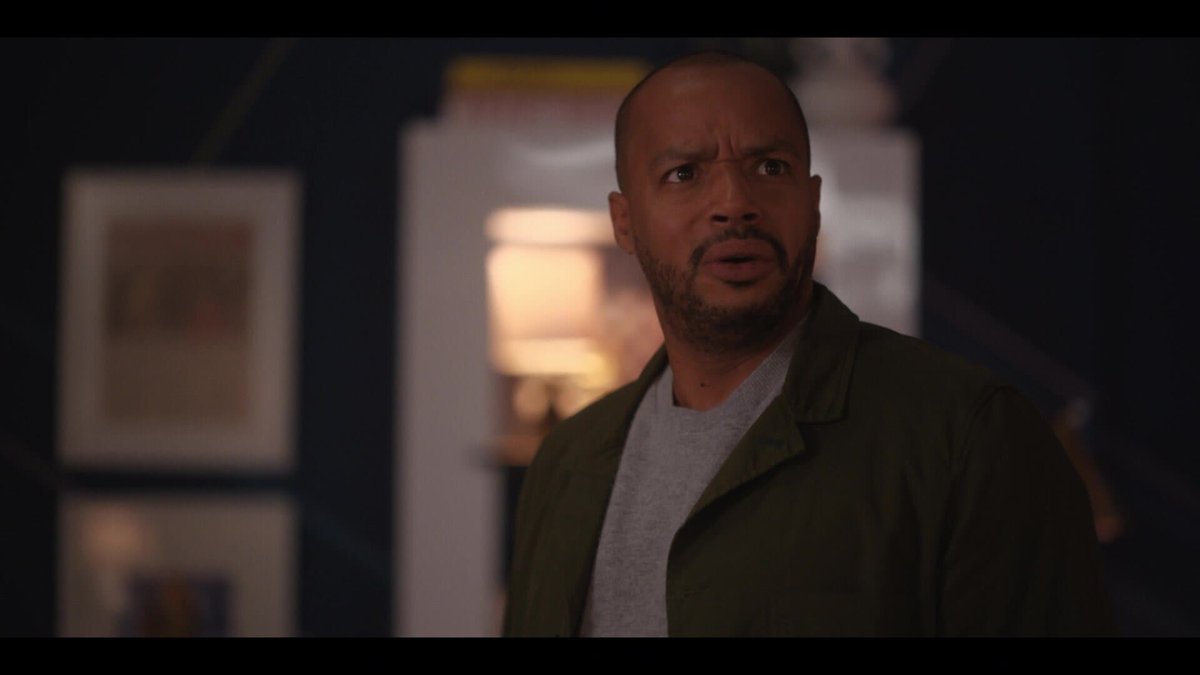
For a generation of queer women and allies, The L Word was more than just a TV show; it was a cultural touchstone. So, when Showtime announced a sequel series, The L Word: Generation Q, the internet collectively held its breath. Premiering in late 2019, Generation Q aimed to re-capture the magic while evolving for a modern audience, bringing back beloved characters alongside a fresh, diverse cast. The ensuing Reviews, Fan Reactions & Discussion for The L Word: Generation Q proved to be as dynamic and complex as the show itself – a passionate, sometimes divisive, but always deeply engaged conversation among critics and viewers alike.
From its ambitious premise to its dramatic season finales, Generation Q navigated a landscape where representation demands were higher, and storytelling expectations more nuanced. This comprehensive guide unpacks the triumphs and tribulations of its three-season run, offering a seasoned journalist's perspective on what worked, what didn't, and why this show continues to spark such fervent debate.
At a Glance: What You Need to Know About Gen Q's Reception
- A Welcome Return: Generally hailed as a refreshing reboot, Gen Q offered a glossy, sexy, and often chaotic melodrama that fans had missed.
- Diversity Takes Center Stage: Praised for its significantly more diverse cast and authentic trans storylines, addressing previously taboo subjects with more tenderness and joy.
- The Writing Rollercoaster: Frequently criticized for superficial writing, uneven pacing, and prioritizing dramatic twists over character-driven development.
- Legacy Challenges: Struggled at times to seamlessly integrate original characters (Bette, Shane, Alice) into the modern narrative.
- Social Viewing Experience: The show fostered a vibrant online community, becoming a catalyst for weekly discussions, emotional reactions, and passionate debates about characters and plot.
- Season 3's Redemption Arc: Widely considered the most entertaining season, offering lighter energy, sharper humor, and a sense of closure.
The Return: Why Generation Q Sparked Such Buzz (and Debate)
The original L Word left an indelible mark, but its legacy was also complicated by its limited representation and sometimes problematic storylines. Generation Q arrived with a clear mission: to build on that foundation while reflecting a more inclusive, contemporary Los Angeles. This ambition immediately set the stage for intense scrutiny. Critics and fans alike were eager to see how the show would balance nostalgic fan service with a genuine commitment to modern queer storytelling.
The initial reactions were largely positive, fueled by the sheer excitement of seeing Bette Porter, Shane McCutcheon, and Alice Pieszecki back on screen. Their return provided an immediate gravitational center, offering a decade of built-in backstory and subtext that resonated deeply with long-time viewers. Beyond the legacy trio, the introduction of a new, vibrant friend group—Dani, Sophie, Finley, Micah, Gigi, and others—promised a broader exploration of queer life. This blend of old and new was designed to be accessible to fresh audiences while rewarding dedicated fans, positioning Gen Q as a must-watch Showtime drama. If you're looking to dive into the world of these characters and their complex lives, you can watch The L Word Generation Q and experience the journey for yourself.
Critical Acclaim vs. Fan Frenzy: Where Gen Q Shines and Stumbles
No show with such a fervent fanbase exists without its share of both accolades and pointed critiques. Generation Q was no exception, earning praise for its bold steps forward while facing scrutiny for some of its narrative choices.
A Leap Forward in Representation
One of the most universally applauded aspects of Generation Q was its commitment to diversity. Compared to its predecessor, the sequel made significant strides in depicting a richer tapestry of the LGBTQ+ community. This wasn't just about adding characters; it was about treating representation as a living, breathing world rather than a mere checklist.
The show explicitly addressed racial diversity, gender identity, and disability in ways the original never did. Characters like Micah Lee, a trans man navigating love and career, provided crucial and authentic trans storylines that resonated powerfully with viewers. Gigi Ghorbani offered a refreshing, confident, and warm portrayal of a Middle Eastern queer woman. These developments were a stark contrast to the original series' shortcomings, helping Gen Q feel more aligned with the realities of modern queer life. It depicted scenes with tenderness and joy, moving away from a pervasive sense of shame that sometimes colored the original narratives. This evolution in storytelling reflects a broader trend in queer representation in modern TV, where authenticity and depth are increasingly prioritized.
The Writing Room: Peaks, Valleys, and "Drama for Drama's Sake"
Despite its progressive strides, Generation Q frequently drew fire for its writing quality. While capable of delivering heartfelt moments and engaging drama, the show often struggled with consistency. Critics and fans pointed to several recurring issues:
- Superficial Storytelling: In a television landscape rich with nuanced LGBTQ+ narratives, some found Gen Q's writing to be superficial or uninteresting. Plots sometimes felt underdeveloped, with characters making choices that served dramatic convenience rather than genuine emotional arcs.
- Uneven Pacing: The series often juggled many plot balls, particularly in Season 2, leading to a scattered experience. Storylines could feel rushed or, conversely, linger too long without meaningful development, making the pacing feel erratic.
- Forced Drama: A common criticism was the show's tendency to choose dramatic routes over responsible storytelling. Portrayals of addiction, for example, sometimes felt more like plot devices than genuinely explored character journeys, leading to "messy" choices without proportional consequences or sufficient character processing. Meaningful chaos, as some argue, requires arcs to breathe and feel earned.
- Integration Challenges: While the legacy trio provided an anchor, some viewers felt the show struggled to fully integrate them into a modern, inclusive narrative. At times, the original characters or their established dynamics felt a little outdated when placed alongside the fresh faces and contemporary issues.
The inherent tension between being a glossy, sexy, soapy melodrama and aspiring to deeper character studies meant Gen Q could be both thrillingly unpredictable and tonally scattered. This balance is a common challenge for Showtime dramas explained to audiences, often leading to a passionate mix of love and frustration among viewers.
Ranking the Seasons: The Evolution of Gen Q's Storytelling
One of the most engaging aspects of Gen Q's fandom was the inevitable "ranking culture." Viewers loved to debate which season hit the sweet spot of story momentum, character growth, emotional payoff, and that intangible "L Word-ness."
Decoding the Season Experience
Based on widespread fan consensus and critical analysis, here’s how the seasons stacked up:
- Season 3: The Peak Performance
- Why it resonated: This season frequently topped the rankings for its enhanced entertainment value. It brought a lighter energy, sharper comedic timing, and a much-improved ensemble interplay. Many felt it delivered key moments of closure and character resolution, making it the most satisfying watch. The melodrama felt more earned, and the humor helped make the "messy" more palatable.
- Season 1: The Energetic Foundation
- Why it resonated: Season 1 had the vital job of re-introducing legacy characters and launching a whole new friend group. It largely succeeded, establishing an energetic, charming, and chaotic tone that perfectly captured the essence of modern queer L.A. It set the stage well, building the foundation for the character dynamics and central themes.
- Season 2: Ambitious, But Uneven
- Why it resonated (or didn't): Season 2 was ambitious and emotional, attempting to lean into therapy, accountability, and deepening character arcs. However, this ambition often led to its downfall. As noted, it juggled too many plot lines, resulting in the most uneven pacing and sometimes forced dramatic outcomes. While there were powerful individual moments, the overall narrative felt more scattered, leaving some viewers frustrated.
These rankings highlight that while Gen Q aimed for depth, it was often at its best when it embraced its wit, humor, and ability to deliver compelling, albeit sometimes chaotic, melodrama.
The Characters We Loved (and Loved to Hate): A Deep Dive into Viewer Engagement
A show's success often hinges on its characters, and Generation Q offered a broad spectrum that sparked intense fan devotion and discussion. Each character, new or old, brought a unique flavor to the Los Angeles queer landscape.
The Enduring Power of the Legacy Trio
Bette, Alice, and Shane weren't just characters; they were institutions. Their return wasn't just nostalgic; it was a powerful narrative anchor.
- Alice Pieszecki (Top Tier): Consistently lauded as the show's "heart-comic engine," Alice brought much-needed levity, wit, and emotional grounding. Her journey of self-discovery and evolving relationships often resonated most deeply.
- Shane McCutcheon (Top Tier): Magnetic and effortlessly cool, Shane’s arc in Gen Q saw her grappling with self-fixing and a desire for stability, making her a grounded and relatable figure for many.
- Bette Porter (Top Tier): The brilliant, driven, and often formidable Bette continued to bring power dynamics, ambition, and intense romantic drama to the forefront, always sparking strong opinions.
The New Guard: Hits and Misses
The new characters were crucial for establishing Gen Q's contemporary identity, and several quickly became fan favorites:
- Gigi Ghorbani (Top Tier): Confident, warm, and charismatic, Gigi quickly ascended to the top tier, often providing a refreshing energy and mature perspective to storylines.
- Dani Núñez (High Tier): Ambitious and polished, Dani's emotionally weighted journey through career, family, and romance made her a compelling, if sometimes polarizing, figure.
- Tess Van De Berg (High Tier): As a steadying force, Tess brought emotional realism and a grounding presence to the ensemble, particularly in her relationships.
- Angie Porter-Kennard (High Tier): Bette's daughter, Angie, delivered a smart coming-of-age story that many found to be a highlight, demonstrating significant growth across the seasons.
- Maribel Suarez (High Tier): Sharp, humorous, and broadening the show's range, Maribel added a fresh dynamic, particularly in Season 3.
- Micah Lee (Mid Tier): Important for representation and a calming presence, Micah's layered journey was appreciated, even if his storylines sometimes felt less central.
- Sophie Suarez (Mid Tier): Known for her "big feelings" and complicated choices, Sophie's journey of learning hard lessons resonated, albeit sometimes leading to frustration among viewers.
- Sarah “Finley” (Mid Tier): Sweet but chaotic, Finley truly shined when given accountability arcs, showcasing growth that was often a talking point among fans.
- Nat Bailey (Mid Tier): Primarily served as a catalyst character, particularly in Alice's life.
The debates around these characters, their choices, and their romantic pairings formed the backbone of weekly fan discussions, highlighting the show’s ability to foster a strong sense of community and shared investment.
More Than Just a Show: The Social Experience of Watching Gen Q
The L Word: Generation Q wasn't just something you watched; it was something you experienced with others. The show cultivated a unique viewer experience, making it a hub for pop-culture group chats, social media debates, and shared emotional whiplash.
Watching Gen Q often involved:
- Weekly Emotional Whiplash: Fans regularly reported feeling a rollercoaster of emotions from episode to episode, reacting intensely to character decisions, plot twists, and romantic developments.
- Pausing to React: It wasn't uncommon for viewers to pause an episode mid-scene to voice their outrage, joy, or confusion to friends or on social media.
- Appreciation for Expansive Representation: Beyond the drama, many viewers expressed profound gratitude for seeing themselves and their experiences reflected on screen in a more diverse and tender way than ever before.
- "Ranking Culture": From favorite seasons to "shipping" couples and debating character tiers, the show actively invited a "ranking culture" that fostered lively community discussions and debates, turning passive viewing into an active, social engagement.
The rewatchable moments often highlighted these shared experiences, including the pilot's character introductions, ensemble scenes at Dana’s (always packed with humor and tension), the inevitable plot twists of season finales, and moments of earned softness like apologies or tough, heartfelt conversations that truly resonated.
To Watch or Not to Watch (the Original First): Setting Expectations
A common question among new viewers was whether watching the original The L Word was a prerequisite for Generation Q. The consensus is nuanced.
Bridging Two Eras of Queer Storytelling
- Not Strictly Necessary: Generation Q was intentionally built to be accessible to new audiences. It provides enough context for the returning characters that you can follow along without having seen the original series.
- Adds Weight and Context: However, watching the original first adds significant weight to the legacy arcs. It provides a deeper understanding of Bette, Shane, and Alice's "mythic status" in fandom and contextualizes their long, complicated histories. The original can be viewed as "optional historical documents from the early 2000s," offering a foundational understanding of queer representation that has since evolved. Understanding the original L Word series history can truly enrich your appreciation for the reboot.
- Managing Expectations: If you do watch the original, it's important to approach Gen Q with the understanding that it's a product of a different era and has different storytelling priorities. The "impact of reboots on fandom" is a complex area, and Gen Q demonstrates both the challenges and rewards of revisiting beloved franchises.
Ultimately, the choice is yours. You can jump straight into Generation Q for a modern queer drama, or you can start with the original to fully appreciate the historical context and character development that spans two decades.
Beyond the Backlash: Constructive Takes on Gen Q's Legacy and Future
Even with its criticisms, Generation Q left a significant mark, and many of the "hot takes" from viewers offered constructive paths for improvement, hinting at what made the show truly great when it hit its stride.
- Embrace the Wit and Humor: The show was almost universally better when it leaned into its wit and humor. These elements made the inherent melodrama more palatable and the characters more endearing.
- Braid Storylines, Don't Just Layer Them: The most effective storylines seamlessly wove together romance with identity, work, and friendship. This reflected real life more authentically and gave characters richer, more compelling things to do than just chase a love interest.
- Consequences Matter: "Messy" choices are central to The L Word universe, but the problem often arose from a lack of proportional consequences or character processing. When characters faced the repercussions of their actions, or truly worked through their mistakes, the drama felt earned and the storytelling more responsible. Meaningful chaos, as the best dramas know, requires arcs to breathe and develop.
Generation Q often succeeded in these areas, particularly in its stronger seasons, showing its potential to be both a thrilling soap opera and a genuinely impactful piece of queer television.
Your Guide to Engaging with The L Word: Generation Q
The L Word: Generation Q may have concluded its run, but the discussions it sparked are far from over. Whether you're a long-time fan or new to the series, diving into Gen Q means joining a vibrant, opinionated community.
Start by watching the series with an open mind, appreciating its strides in representation while acknowledging its imperfections. Pay attention to the characters you gravitate towards, the storylines that resonate, and the moments that make you pause and react. Then, seek out fan discussions online—from forums to social media—and share your own reviews and reactions. You'll find a welcoming space where complex characters and their messy lives are debated with passion and insight. The L Word: Generation Q is more than just entertainment; it’s a conversation starter, and your voice is a welcome addition to the chorus.