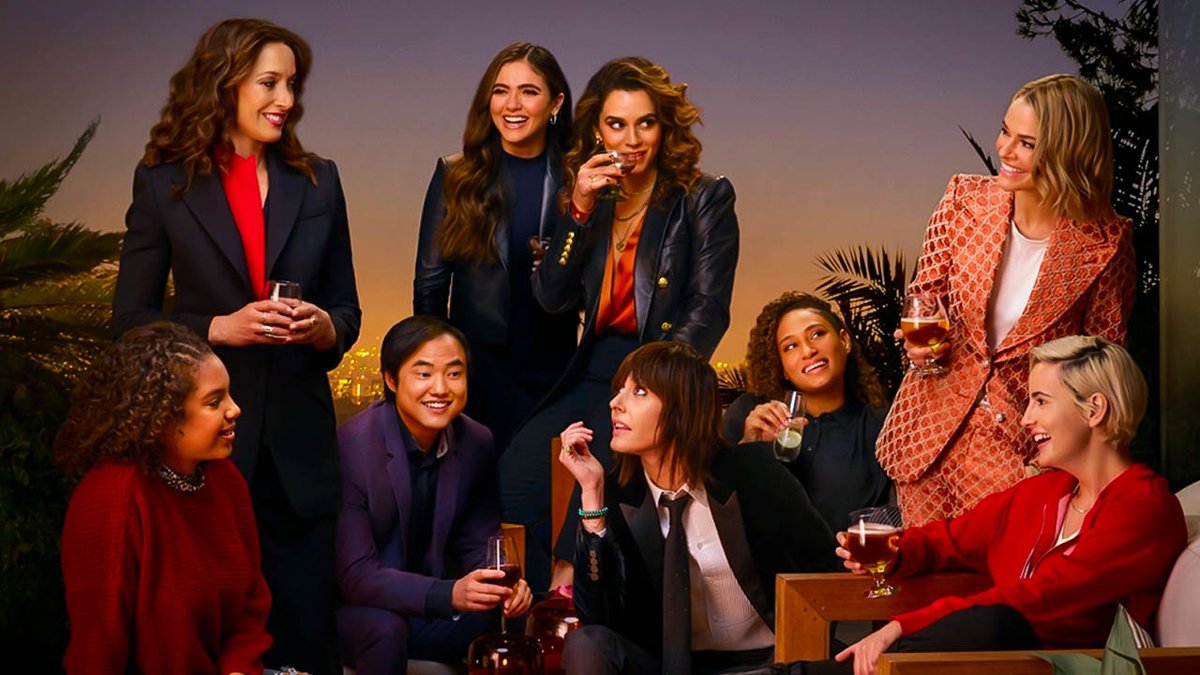
Step into the vibrant, often chaotic, world of Silver Lake, Los Angeles, where a new generation of queer women navigates love, career, and self-discovery, all while some familiar faces from a groundbreaking era return to shake things up. "The L Word: Generation Q" picked up the mantle from its iconic predecessor, offering a fresh take on the enduring complexities of queer life. If you're looking to dive deep into The L Word: Generation Q Season Summaries & Major Storylines, you’ve come to the right place. We're here to unpack every twist, every heartache, and every moment of joy that defined this three-season journey.
"Generation Q" wasn't just a sequel; it was a conversation starter, a cultural touchstone that kept us talking—and sometimes arguing—about representation, relationships, and the ever-evolving landscape of LGBTQ+ experiences. From high-stakes political campaigns to the intimate struggles of budding careers and tangled romances, the series delivered a rollercoaster of emotions.
At a Glance: What You Need to Know About Gen Q
- What it is: A sequel to the groundbreaking "The L Word" (2004-2009), set over a decade later in Los Angeles.
- When it Aired: Premiered December 8, 2019, concluding April 2023.
- How Many Seasons: Three seasons in total.
- The OG Cast Returns: Jennifer Beals (Bette Porter), Katherine Moennig (Shane McCutcheon), and Leisha Hailey (Alice Pieszecki) reprised their beloved roles.
- New Faces: Introduced a diverse ensemble of new characters, including Dani Nùñez, Sophie Suarez, Micah Lee, and Finley.
- Core Themes: Explores love, heartbreak, sex, career, family, and personal growth within the queer community, with a focus on intersectionality.
- Setting: Primarily in the Silver Lake neighborhood of Los Angeles, utilizing iconic L.A. locations.
- Why it Ended: Canceled after three seasons due to low viewership.
- Reception: Started generally positive but faced increasing criticism in later seasons for narrative choices, character arcs, and representation issues.
A New Era in Silver Lake: Picking Up the Threads
When "The L Word: Generation Q" first graced our screens in December 2019, it wasn't just a return; it was a re-imagining. Over ten years after the original series left off, Showtime brought us back to Los Angeles, specifically the trendy Silver Lake neighborhood, to catch up with our favorite OGs and introduce a whole new crew.
The premise was simple yet ambitious: blend the nostalgic comfort of Bette, Shane, and Alice with the vibrant energy and diverse perspectives of a younger, more fluid generation. Original series creator Ilene Chaiken executive produced alongside stars Jennifer Beals, Katherine Moennig, and Leisha Hailey, with Marja-Lewis Ryan taking the reins as showrunner. The goal was clear: update the narrative for a contemporary audience, reflecting the advancements and ongoing challenges within the queer community.
We found Bette Porter, the powerhouse art curator, now running for Mayor of Los Angeles, still grappling with her complex relationship with Tina and raising their daughter, Angelica (played by Jordan Hull). Shane McCutcheon, the enigmatic hairstylist and notorious heartbreaker, returned after a setback, attempting to settle down and invest in a new venture. And Alice Pieszecki, everyone's favorite talk show host, was balancing co-parenting with her fiancée Nat and Nat's ex-wife Gigi, all while navigating the demands of her burgeoning media career.
Alongside these familiar faces, "Generation Q" introduced us to Dani Nùñez, a driven PR executive with a demanding father; Sophie Suarez, a TV producer working on Alice’s show; Micah Lee, a sensitive social worker and Sophie’s roommate; and Finley, Sophie’s charming but chaotic assistant. These new characters quickly became the anchors of the show's fresh storylines, bringing their own unique struggles with identity, class, and love into the fold.
One notable absence was Pam Grier's character, Kit Porter, Bette's sister, who was written off the show as having died of a drug overdose due to Grier's scheduling conflicts. This impactful decision set a somber tone for Bette's journey and reminded viewers that even beloved characters face tragic ends.
Season 1: Reintroduction, Ambition, and New Beginnings
The inaugural season of "Generation Q" aimed to establish its new world while honoring its roots. Across eight episodes, it meticulously laid the groundwork for interwoven storylines that would define the series.
Bette's High-Stakes Mayoral Campaign
Bette Porter's journey in Season 1 was dominated by her ambitious run for Mayor of Los Angeles. This storyline not only put her back in the political spotlight but also forced her to confront her past, including scandals and her complex relationship with Tina. Her campaign became a lens through which the show explored issues of integrity, public perception, and the personal sacrifices required for political ambition. Bette's dedication was unwavering, but her rigid moral compass often clashed with the pragmatic realities of politics, leading to difficult choices and strained relationships, particularly with her daughter Angelica.
Shane's Quest for Stability
Shane McCutcheon, infamous for her transient lifestyle and serial monogamy, returned to L.A. looking for a fresh start. Her "setback" wasn't explicitly detailed but implied a business failure and a desire for something more grounded. She invested in a new bar, Dana's (a poignant nod to the original series' beloved character, Dana Fairbanks), attempting to build a stable life. However, her impulsive nature and struggles with commitment resurfaced, particularly in her tumultuous relationship with Quiara, which brought both passion and significant challenges. Shane's arc explored her perennial battle between independence and intimacy.
Alice's Talk Show and a Complicated Throuple
Alice Pieszecki found immense professional success with her talk show, "Alice," positioning her as a prominent voice in queer media. Personally, she was navigating a complex polyamorous relationship with her fiancée Nat and Nat's ex-wife Gigi. This storyline bravely delved into the intricacies of co-parenting within a throuple, the challenges of jealousy, and the delicate balance of emotional needs in non-traditional relationships. Alice's journey highlighted her growth from a gossipy journalist to a more mature, if still occasionally neurotic, figurehead.
Introducing the New Generation: Dani, Sophie, Micah, and Finley
The heart of "Generation Q" truly emerged with its new characters, whose lives quickly became deeply intertwined:
- Dani Nùñez: A sharp and driven PR executive, Dani was engaged to Sophie. Her arc explored her strained relationship with her wealthy, conservative father and her struggle to reconcile her family's expectations with her authentic self and queer identity. She often found herself caught between loyalty and her own desires.
- **Sophie Suarez: A warm and empathetic TV producer on Alice's show, Sophie was Dani's fiancée. Her relationship with Dani was central, but her growing attraction to Finley complicated everything. Sophie's storyline wrestled with the difficult choice between a stable, predictable future and a passionate, uncertain love.
- Micah Lee: Sophie's sensitive and kind roommate, Micah was a social worker navigating his own transition and search for love. His relationship with José provided a tender portrayal of queer romance and the everyday realities of being a trans man dating. Micah often served as the emotional bedrock for his friends.
- Finley: Sophie's assistant on "Alice," Finley was an endearing but often reckless character grappling with her Catholic upbringing, her sexuality, and a deep-seated need for acceptance. Her unrequited feelings for Sophie simmered throughout the season, leading to significant personal turmoil and impulsive decisions.
Season 1 culminated in a dramatic cliffhanger at Sophie and Dani's wedding, with Sophie forced to choose between Dani and Finley, leaving her decision ambiguous and setting the stage for major fallout.
Season 2: Deep Dives, Fractured Hearts, and Growing Pains
Season 2, delayed by the COVID-19 pandemic, premiered in August 2021 and dove headfirst into the consequences of Season 1's unresolved tensions. This season saw characters face harsher realities and more complex emotional landscapes, but also garnered a more polarized reception from viewers and critics.
The Fallout from Sophie's Choice
The immediate aftermath of Sophie's decision (she chose Finley, much to Dani's heartbreak) dominated the early episodes. Dani was left devastated, forcing her to confront her own vulnerabilities and redefine her life without Sophie. This led Dani on a journey of self-discovery, eventually drawing her closer to Gigi, Alice's ex-girlfriend.
Sophie and Finley's relationship, initially fueled by passion, faced immediate challenges as they navigated the expectations and realities of a committed partnership. Their differing personalities and Finley's ongoing struggles with self-sabotage and alcohol created significant friction, testing the strength of their bond.
Bette & Tina's Lingering Connection
A major storyline that evoked strong reactions from fans was the rekindling of Bette and Tina's complex relationship. Tina returned to L.A. with her new fiancée, Carrie, but the undeniable chemistry and deep history between Bette and Tina remained potent. This arc explored themes of "the one that got away," co-parenting dynamics, and the difficulty of truly moving on from a foundational love. While some fans eagerly anticipated their reunion, others criticized it as repetitive and felt it detracted from the newer characters' development. Angelica, caught in the middle, grappled with her parents' complicated dynamic.
Shane's Rollercoaster Love Life and Business Expansion
Shane's business at Dana's expanded, but her personal life remained turbulent. Her relationship with Quiara ended, leading her into a new, complex dynamic with a wealthy casino owner, Tess. This relationship, while offering stability, also challenged Shane's commitment issues and forced her to confront her own patterns of emotional unavailability. The season explored Shane's attempts to mature and take responsibility, even as her impulses often threatened to derail her progress.
Alice's Career Crossroads and Personal Reckoning
Alice's talk show continued to thrive, but her personal life became more complicated. The throuple with Nat and Gigi dissolved, leading to significant emotional fallout. Alice also navigated a new relationship with Tom, a cisgender man, which sparked discussions among fans about representation and Alice's evolving sexuality. Her professional success often came at the cost of personal fulfillment, pushing her to re-evaluate her priorities.
Micah's Relationship and Finley's Struggles Intensify
Micah's relationship with José blossomed, offering a sweet and stable counterpoint to the more tumultuous romances. Their story explored the joys and challenges of building a life together as a trans man and a queer artist. Meanwhile, Finley's struggles with alcohol, her past trauma, and her self-destructive tendencies escalated, putting immense strain on her relationship with Sophie. Her storyline became a central focus on mental health, addiction, and the long road to recovery.
Season 2's Polarized Reception
Season 2 received a more polarized response than the first. While praised for continuing to push boundaries in certain areas, it was also criticized for its narrative choices. Many fans expressed displeasure with the perceived reliance on original series throwbacks, particularly the Bette/Tina storyline, feeling it overshadowed the new characters. There were also criticisms regarding the depiction of certain relationships and concerns about perpetuating negative stereotypes concerning bisexual women, butch women, and transgender people in some subplots. The season's end left several cliffhangers, including the fate of Finley and Sophie's relationship and Bette's political future.
Season 3: The Final Chapter, Controversies, and Lingering Questions
The third and final season, which premiered in November 2022 and comprised 10 episodes, aimed to bring many of the ongoing storylines to a head. Unfortunately, it was met with overwhelmingly negative reception, as fans and critics felt it struggled to deliver a satisfying conclusion.
The Forced Reunion of Bette and Tina
One of the most criticized aspects of Season 3 was the heavily hinted-at and ultimately realized reunion of Bette and Tina. While a segment of the original fanbase had long rooted for "TiBette," many viewers found the execution forced and influenced by fan demands rather than organic character development. Tina's relationship with Carrie was abruptly ended, and Bette and Tina's path back together felt rushed and lacked the emotional depth many had hoped for, especially given the years of history and growth each character had experienced independently.
Unresolved Cliffhangers and Character Changes
Season 3 was widely criticized for failing to adequately resolve several significant cliffhangers from Season 2. Character arcs seemed to shift abruptly, and some developments felt unearned or unexplained, leading to a sense of narrative inconsistency. Fans pointed out instances where characters appeared to regress or act out of character, seemingly to serve specific plot points rather than natural progression.
Shane's Entrepreneurial Ambitions and Unexpected Connections
Shane continued her journey of self-discovery and entrepreneurship. Her relationship with Tess faced new challenges, and Shane found herself pulled between her desire for commitment and her lingering impulses. The season also saw her exploring new business ventures, often with a mix of success and typical Shane-esque chaos.
Alice's Search for Love and Purpose
Alice's storyline focused on her continued search for love and her evolution beyond just her talk show. She grappled with navigating new relationships, reflecting on past heartbreaks, and defining what true happiness meant for her. Her journey was often marked by introspection and a desire for genuine connection.
Dani's Newfound Independence and Family Drama
Dani, having been hurt by Sophie, pursued a new path, focusing on her career and exploring her connection with Gigi. Her relationship with her father continued to be a source of conflict, as she strove to forge her own identity outside of his influence and expectations. Dani's arc highlighted her journey towards self-reliance and finding love on her own terms.
Micah's Growth and Finley's Road to Recovery
Micah and José's relationship continued to be a stable presence, showcasing a healthy and supportive queer partnership. Finley's storyline focused on her arduous but ultimately hopeful journey through recovery from addiction and trauma. This was one of the more positively received arcs, depicting the challenges of healing and the importance of a strong support system.
A Divisive Return: Max Sweeney
A highlight for many fans was the return of Max Sweeney, a transgender character from the original series. Max was depicted in a loving relationship with a fellow trans character and was raising children, offering a positive and nuanced portrayal of trans parenthood and queer family life. This representation was particularly praised for showing Max in a stable, happy, and affirming environment, a welcome contrast to some of the criticisms leveled at earlier seasons regarding trans representation.
"Anticlimactic" Wedding and Cancellation
The season culminated in a wedding (the exact details of which were kept somewhat ambiguous by the cancellation), which many found to be anticlimactic, failing to provide the satisfying closure fans craved for the series as a whole. The show's cancellation was announced on March 23, 2023, attributed to low viewership, and the series was removed from Showtime platforms in April 2023. This abrupt end left many character arcs unresolved and a sense of disappointment among the fanbase.
Critics also pointed to perceived "racist tokenism" with new characters like Pippa Pascal, suggesting they were not given sufficient development or respect within the narrative. The overwhelming sentiment was that the final season struggled to find its footing and ultimately failed to deliver a cohesive or emotionally resonant conclusion.
Beyond the Screen: Gen Q's Place in Queer Television
Despite the mixed and often negative reception of its later seasons, "The L Word: Generation Q" held a significant place in the landscape of queer television. It continued the legacy of its predecessor, pushing boundaries and sparking important conversations, even when those conversations were critical.
The series was nominated for Outstanding Drama Series at the 33rd GLAAD Media Awards in 2022, recognizing its efforts to elevate LGBTQ+ representation and storytelling. It grappled with the complexities of identity, intersectionality, and the evolving definitions of family and community within the queer world. While its execution was often debated, its commitment to showcasing a diverse array of queer experiences—from polyamory and trans identity to addiction and recovery—cannot be understated.
"Generation Q" dared to show queer people navigating everyday challenges, making mistakes, and striving for happiness, just like any other community. It reflected both the progress made in LGBTQ+ visibility and the ongoing need for nuanced, authentic storytelling that avoids stereotypes and embraces the full spectrum of queer life.
Your Guide to Revisiting (or Discovering) Generation Q
Whether you're a long-time fan of "The L Word" universe or curious about jumping into "Generation Q" for the first time, understanding its major storylines and the journey of its characters enriches the viewing experience. The show, with all its triumphs and controversies, remains a significant piece of queer media, offering plenty to discuss, dissect, and enjoy.
If you're ready to immerse yourself in the drama, the romance, and the unforgettable characters of Silver Lake, all three seasons provide a comprehensive look at modern queer life. To experience the highs and lows of Bette, Shane, Alice, Dani, Sophie, Micah, and Finley for yourself, you can watch The L Word Generation Q on its streaming platforms. Prepare for a ride that’s sure to spark conversation, challenge perspectives, and remind you why these stories continue to matter.